

t-iron”>Understanding Wrought Iron: Craftsmanship and Material
Traditionally, “wrought iron” refers to a low-carbon form of iron that’s malleable and ductile when heated. This means it could be hammered, shaped, and worked by hand into intricate designs – hence the term “wrought.” This artisanal process allowed for the creation of elaborate finials, scrolls, and decorative elements that are characteristic of classic wrought iron fences.
Last updated: May 30, 2026
However, today, much of what is marketed as “wrought iron fence” is actually ornamental steel designed to mimic the look of true wrought iron. Modern steel offers greater consistency and can be fabricated into complex shapes more readily. To combat corrosion, these fences are typically treated with hot-dip galvanization and/or a durable powder coating.
A common misconception is that all “iron” fences are prone to rust. While true wrought iron could rust if not maintained, modern steel fences with proper coatings offer excellent resistance. For instance, a properly galvanized and powder-coated steel fence can last for decades with minimal upkeep. This makes them a practical choice for contemporary properties.

Why Choose Wrought Iron Fencing?
The enduring popularity of wrought iron fences stems from a combination of aesthetic appeal, security, and longevity. These fences provide a visual statement that enhances property value and offers a sense of established grandeur.
Unmatched Durability and Strength: True wrought iron, and modern ornamental steel, are incredibly strong materials. They offer excellent resistance to impact and vandalism, making them a secure choice for defining property lines, enclosing pools, or safeguarding larger estates. The inherent strength provides a significant security advantage over lighter materials.
Timeless Aesthetic Appeal: The classic, often ornate, designs of wrought iron fences evoke a sense of history and sophistication. They complement a wide range of architectural styles, from Victorian homes to modern minimalist designs seeking a touch of traditional charm. A well-designed wrought iron fence can significantly boost a property’s curb appeal.
Customization Potential: Wrought iron (or its modern steel equivalent) is highly customizable. Skilled fabricators can create unique designs tailored to specific property needs and aesthetic preferences. Wrought iron fence allows for a bespoke fence that’s truly one-of-a-kind, incorporating specific finials, patterns, or heights.
Longevity: With proper maintenance, a wrought iron fence can last a lifetime, often exceeding 50 years. The materials are inherently resistant to rot and decay, and modern protective coatings further extend their lifespan. According to the Ornamental Metal Alliance, properly maintained ornamental metal fences can last upwards of 50 years.
Increased Property Value: The combination of security, aesthetic appeal, and durability makes wrought iron fences a desirable feature that can increase a property’s market value. Potential buyers often see a high-quality iron fence as a significant investment in the property’s overall appeal and security.
Cost Considerations for Wrought Iron Fences in 2026
As of May 2026, the cost of a wrought iron fence can vary considerably. Factors such as the complexity of the design, the height and length of the fence, the quality of materials, and the installation process all play a significant role. Generally, wrought iron fencing is one of the more expensive fencing options available.
Material and Design: Simple, pre-fabricated panels with basic finials will be less expensive than custom-designed fences with intricate scrollwork, decorative finials, or specialized pickets (like puppy pickets for pets). The thickness and quality of the metal used also impact the price. Basic ornamental steel fencing can start around $30-$60 per linear foot for materials alone, while custom-fabricated fences can range from $75 to $200+ per linear foot.
Installation Costs: Professional installation is highly recommended for wrought iron fences due to their weight and the precision required for a secure and aesthetically pleasing finish. Installation costs can add an additional $10 to $30 per linear foot, depending on terrain, gate complexity, and labor rates in your area. For example, a 100-foot fence could cost between $4,000 and $8,000 installed, with more elaborate designs pushing the upper limits.
Gates and Accessories: Individual gates, especially automated or custom-designed ones, can significantly increase the overall project cost. Decorative finials, post caps, and specialized hardware also add to the total price. A standard single swing gate might cost $500-$1,500, while a larger double gate or sliding gate could run $2,000-$5,000 or more.
Comparison to Competitors: While a basic vinyl fence might cost $15-$30 per linear foot installed, and aluminum fencing $25-$50 per linear foot, wrought iron fencing typically sits at the higher end, often starting around $40-$100+ per linear foot installed for standard designs. For a truly custom, hand-crafted piece, prices can easily exceed $200 per linear foot. It’s crucial to get multiple quotes from reputable installers.
Exploring Wrought Iron Fence Styles and Designs
The beauty of wrought iron lies in its versatility. While the core material offers strength, the design possibilities are virtually endless. From simple and modern to highly ornate and traditional, there’s a style to suit every taste and architectural requirement.
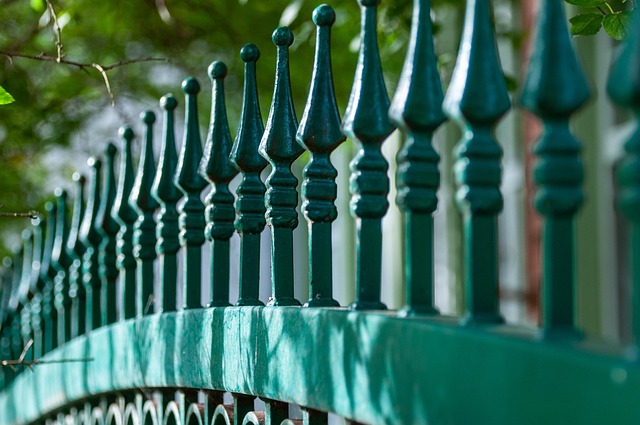
Classic Estate Style: Often characterized by tall, imposing pickets topped with spear-like finials, this style conveys a sense of security and prestige. It’s ideal for large properties and grand homes, creating a distinguished boundary.
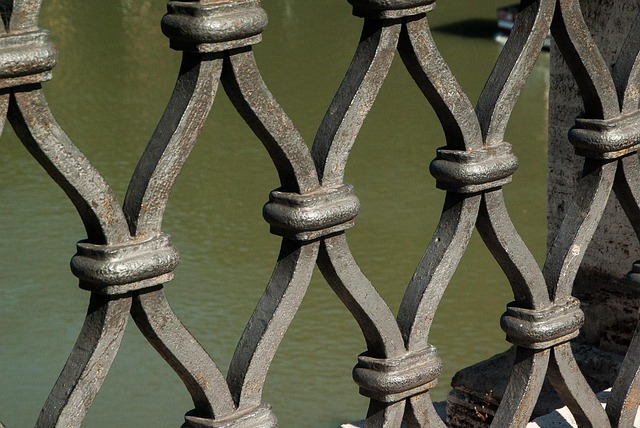
Traditional Scrollwork: This style features intricate, hand-crafted metal scrolls and decorative elements integrated between the vertical pickets. It’s the epitome of old-world charm and is perfect for historic homes or properties aiming for a romantic, vintage feel.
Modern Minimalist: For those who prefer clean lines, modern wrought iron fences might feature simpler, geometric patterns. Think straight pickets with minimal ornamentation or geometric shapes. This approach offers a contemporary take on a classic material, complementing modern architecture.
Puppy Picket/Pet-Friendly Designs: These fences have pickets spaced much closer together at the bottom, preventing small pets from slipping through. This practical adaptation doesn’t sacrifice the elegant appearance of iron fencing.
Pool Fencing: Specific designs meet safety regulations for pool enclosures, often featuring self-closing gates and specific height requirements, while still maintaining the aesthetic of wrought iron.
Hoop and Picket: Incorporating decorative hoops between the pickets adds another layer of visual interest and can contribute to a more traditional or estate-like appearance.
When choosing a style, consider not only your personal preference but also the architectural style of your home, the intended function of the fence (security, privacy, decoration), and local building codes, especially for pool enclosures.
Wrought Iron Fence Installation: What to Expect
Installing a wrought iron fence is a project best left to experienced professionals. The process involves several key steps to ensure a sturdy, secure, and aesthetically pleasing result.
Site Preparation: The area where the fence will be installed must be properly surveyed, and any existing structures or landscaping should be accounted for. The ground may need to be leveled, and property lines clearly marked. According to the American Fence Association, proper site preparation is crucial for fence longevity.
Layout and Post Setting: The fence line is marked, and holes are dug for the support posts. These posts are typically made of steel for durability and are set in concrete footings. The depth and diameter of these footings are critical for stability, especially in areas with frost lines or strong winds. For a typical 6-foot-tall fence, posts might be set 2-3 feet deep.
Panel Attachment: Once the concrete has cured (usually 24-48 hours), the wrought iron fence panels are attached to the posts. This is typically done using sturdy brackets and bolts, ensuring a secure connection. The alignment and spacing of panels must be precise to maintain the fence’s aesthetic integrity.
Gate Installation: Gates are installed as the final major component. This involves ensuring proper swing clearance, alignment with fence panels, and the installation of hinges, latches, and any hardware for automated operation.
Finishing Touches: After installation, the contractor will typically clean up the site, remove debris, and perform any necessary touch-ups on protective coatings or paint. Some homeowners opt for decorative post caps or finials at this stage.
DIY vs. Professional: While some basic ornamental steel fence kits might be manageable for experienced DIYers, the weight, precision, and concrete work involved in traditional wrought iron fence installation make professional installation the safer and more reliable option. Incorrect installation can lead to sagging, instability, and premature failure.
Maintaining Your Wrought Iron Fence
To ensure your wrought iron fence retains its beauty and structural integrity for decades, regular maintenance is key. While modern materials are more resistant to the elements, they still require attention.
Regular Cleaning: Wash the fence periodically with mild soap and water to remove dirt, grime, and salt residue. This prevents buildup that can trap moisture and potentially compromise the protective coating over time. A soft brush or cloth is usually sufficient.
Inspect for Damage: Regularly check the fence for any signs of rust, chipping paint, loose welds, or damaged pickets. Pay close attention to areas near the ground or at joints where moisture can accumulate.
Rust Treatment: If small spots of rust appear, address them immediately. Clean the area thoroughly, remove all rust with a wire brush or sandpaper, and then apply a rust-inhibiting primer followed by a matching paint or coating. Many manufacturers offer touch-up paint kits.
Protective Coatings: Ensure the fence’s protective coating (like powder coating or galvanization) is intact. If you notice significant wear or chipping, consider professional recoating or a sealant application to prevent corrosion.
Vegetation Management: Keep plants and vines from growing directly on or against the fence. This can trap moisture and contribute to rust and deterioration. Trim back any encroaching greenery.
Professional Servicing: For older fences or significant damage, consider having a professional metalworker inspect and service the fence every few years. They can address structural issues, perform necessary repairs, and reapply protective coatings.
A well-maintained wrought iron fence can look as good in 2026 as it did when first installed, continuing to add value and charm to your property.
Wrought Iron vs. Other Fencing Materials
While wrought iron offers a unique blend of qualities, it’s essential to compare it with other popular fencing materials to make an informed decision.
Wrought Iron vs. Ornamental Steel: As mentioned, modern “wrought iron” is often steel. True wrought iron is rare and expensive. Ornamental steel offers a very similar look and feel, often with better corrosion resistance due to modern manufacturing and coatings, and can be more cost-effective than true wrought iron.
Wrought Iron vs. Aluminum Fencing: Aluminum fencing is significantly lighter, more resistant to rust (as it doesn’t contain iron), and generally less expensive than ornamental steel or wrought iron. It’s a popular choice for its low maintenance. However, aluminum is not as strong or rigid as steel or iron, making it less suitable for high-security applications. Aluminum fences typically cost $25-$50 per linear foot installed.
Wrought Iron vs. Vinyl Fencing: Vinyl fences are the most budget-friendly option, typically costing $15-$30 per linear foot installed. They require very little maintenance and come in various styles. However, vinyl lacks the strength and classic elegance of wrought iron. It can also become brittle in extreme temperatures and is more susceptible to damage from impacts.
Wrought Iron vs. Wood Fencing: Wood fences offer privacy and a natural aesthetic but require regular staining, sealing, and maintenance to prevent rot, warping, and insect damage. They are generally less secure than metal fences and have a shorter lifespan (10-20 years) compared to a well-maintained iron fence. Wood fencing costs can range from $20-$60 per linear foot installed, depending on the wood type and style.
The choice depends on your priorities: for unparalleled strength, security, and classic beauty, wrought iron (or ornamental steel) is hard to beat, despite the higher cost and maintenance. For lower cost and minimal maintenance, aluminum or vinyl might be better suited.
Common Mistakes When Choosing or Installing a Wrought Iron Fence
Selecting and installing a wrought iron fence is a significant investment. Avoiding common pitfalls can save you money, time, and frustration.
Underestimating Costs: Many homeowners are surprised by the total cost, which includes not just the fence panels but also posts, gates, hardware, and professional installation. Always get detailed quotes that break down each component. For example, a 100ft fence with a single gate might cost $5,000-$10,000+, not just the material cost of the panels.
Neglecting Maintenance: Assuming that a “metal” fence requires no upkeep is a mistake. Ignoring early signs of rust or damage can lead to costly repairs or premature replacement. Regular cleaning and prompt attention to minor issues are crucial.
Choosing the Wrong Style: Selecting a fence style that clashes with your home’s architecture can detract from its appeal. Ensure the chosen design complements your property’s existing aesthetic.
Improper Installation: A fence that’s not installed plumb, level, or with adequate post footing depth is destined to fail. This can lead to sagging, instability, and can even void manufacturer warranties. Always hire a reputable, experienced fence installer.
Ignoring Local Codes: Certain areas have specific regulations regarding fence height, materials, and especially pool fence safety standards. Failing to comply can result in fines or the requirement to re-fence.
Opting for Low-Quality Materials: Not all “wrought iron” or ornamental steel fencing is created equal. Cheaper options may use thinner gauge metal, have inferior welds, or lack adequate protective coatings, leading to premature rust and failure. Look for warranties and reputable manufacturers.
Expert Insights for Your Wrought Iron Fence Project
Beyond the standard considerations, a few expert tips can help you maximize your investment in a wrought iron fence.
Consider the Finish: While black is the classic and most common color, wrought iron fences can be finished in a wide array of colors through powder coating. Consider bronze, dark green, or even custom colors to match your landscape or home. The quality of the powder coating is paramount for durability; look for a thicker mil coating.
Think About Height: Fence height impacts both security and aesthetics. While 4-foot is common for decorative purposes, 5 or 6-foot fences offer more security. For properties with significant elevation changes, consult with your installer about how to best manage height transitions and maintain a consistent look.
The Importance of Welds: For true durability, look for fences where components are fully welded, not just riveted or mechanically fastened. High-quality welds are stronger and less prone to failure over time. The Ornamental Metal Alliance recommends inspecting weld quality on any new ornamental fence purchase.
Smart Gate Choices: Gates are often the focal point of a fence. Invest in a well-constructed gate that complements the fence design. For driveways, consider the benefits of automated gate openers, which can add significant convenience and security.
Warranty Matters: A reputable manufacturer or installer will offer a warranty on both the materials and the workmanship. Understand what the warranty covers (e.g., rust perforation, structural defects, coating failure) and for how long. A 10-20 year warranty on materials is common for quality ornamental steel fences.
Frequently Asked Questions About Wrought Iron Fences
What is the typical lifespan of a wrought iron fence?
As of May 2026, a properly maintained wrought iron fence can last 50 years or more. Modern steel fences with quality coatings offer exceptional durability and longevity, often outlasting the property’s other exterior features.
Is wrought iron fencing expensive compared to other materials?
Yes, wrought iron and ornamental steel fences are generally among the more expensive fencing options, often costing $40-$100+ per linear foot installed, compared to vinyl ($15-$30) or aluminum ($25-$50).
Can wrought iron fences rust?
True wrought iron is susceptible to rust if not properly maintained. However, modern ornamental steel fences are typically galvanized and powder-coated, offering excellent rust resistance for many years.
What kind of maintenance does a wrought iron fence require?
Maintenance involves regular cleaning with soap and water, periodic inspections for rust or damage, prompt rust treatment, and ensuring protective coatings remain intact. Keeping vegetation trimmed away is also important.
Are wrought iron fences secure?
Wrought iron fences are highly secure due to their inherent strength and often imposing height. They are difficult to climb over or break through, making them an excellent choice for property security and boundary definition.
Can I install a wrought iron fence myself?
While basic ornamental steel fence panels can be a DIY project for the skilled, installing traditional wrought iron fences is complex and best left to professionals due to the weight, precision required, and concrete work involved.
Investing in Lasting Beauty and Security
Wrought iron fences, whether crafted from traditional iron or modern ornamental steel, represent a significant investment in your property’s security, aesthetics, and long-term value. Their classic appeal and enduring strength ensure they remain a top choice for those seeking a fence that’s as beautiful as it’s functional.
When planning your wrought iron fence project, prioritize quality materials, professional installation, and a design that complements your home. Taking these steps will ensure your fence not only enhances your property today but continues to do so for decades to come.
Last reviewed: May 2026. Information current as of publication; pricing and product details may change.
Editorial Note: This article was researched and written by the CN Law Blog editorial team. We fact-check our content and update it regularly. For questions or corrections, contact us.