
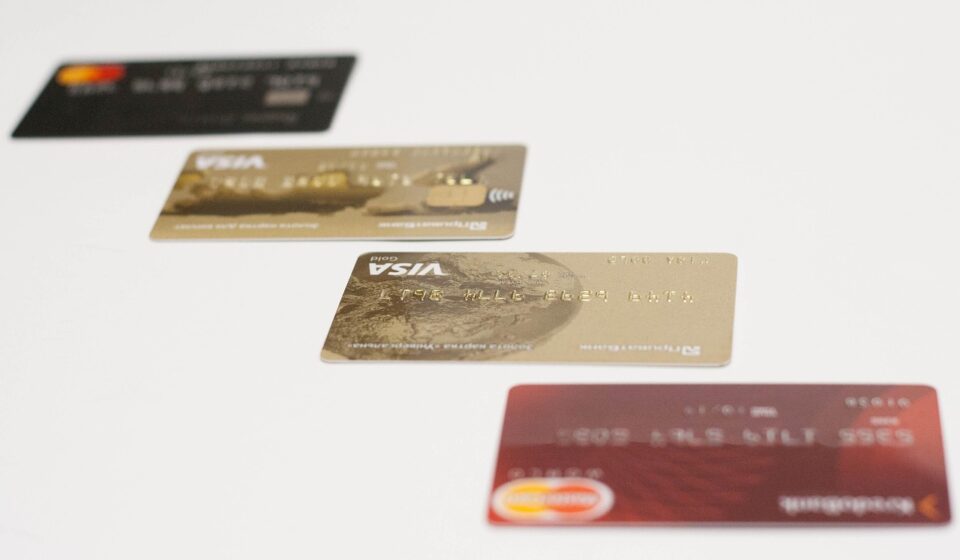
What Are Unsecured Credit Cards?
An unsecured credit card is a type of credit card that doesn’t require you to provide any collateral, such as a savings account or a vehicle, to obtain it. As of May 2026, these cards are issued based solely on the applicant’s creditworthiness and their perceived ability to repay borrowed funds.
Last updated: May 30, 2026
Most readers searching for unsecured credit cards want to know how they differ from their secured counterparts and whether they are a viable option for building or rebuilding their credit. The answer is a resounding yes, but with important caveats.
- Unsecured credit cards don’t require collateral, unlike secured cards.
- Approval depends on your credit history and income, signaling your ability to repay debt.
- They are a primary tool for establishing and improving credit scores.
- Interest rates and fees can be higher due to increased lender risk.
- Responsible use is crucial to avoid debt and credit damage.
How Unsecured Credit Cards Work
When you apply for an unsecured credit card, the issuer, typically a bank or financial institution, reviews your credit report and score. They are assessing your history of managing debt, your income, and your overall financial responsibility. If they deem you a low-risk borrower, they approve you for a credit line.
This credit line represents the maximum amount you can borrow on the card. Every month, you receive a statement detailing your purchases, payments, and the outstanding balance. You are expected to make at least the minimum payment by the due date, though paying the full balance is ideal to avoid interest charges.
The issuer makes money through interest charged on balances not paid in full and through various fees, such as annual fees or late payment fees. In essence, the lender trusts you to pay them back based on your financial track record.

Unsecured vs. Secured Credit Cards: Key Differences
The fundamental distinction between unsecured and secured credit cards lies in collateral. A secured credit card requires a cash deposit upfront, which typically becomes your credit limit. This deposit serves as a safety net for the lender, significantly reducing their risk.
Because secured cards have collateral, they are often easier to obtain, especially for individuals with poor or no credit history. They are an excellent starting point for building credit. For example, Maria, new to the U.S. and with no credit history, applied for a secured card with a $300 deposit, which became her credit limit.
In contrast, an unsecured credit card offers credit without this upfront deposit. Approval hinges entirely on your creditworthiness. If you have a solid credit history, you’re more likely to qualify for an unsecured card. John, who had a few years of responsible credit card use, was approved for an unsecured card with a $2,000 credit limit without needing a deposit.
While secured cards are great for starting, many consumers eventually transition to unsecured cards as their credit improves. This move signifies increased trust from lenders.
Who Qualifies for Unsecured Credit Cards?
Eligibility for an unsecured credit card in 2026 generally requires a fair to excellent credit score. Lenders look for a history of responsible credit management, including on-time payments, low credit utilization, and a stable income sufficient to handle monthly payments.
Credit bureaus like Experian, Equifax, and TransUnion compile this information. A typical minimum credit score for an unsecured card might range from 600 to 650 for entry-level cards, with better cards requiring scores of 700 and above. According to the Consumer Financial Protection Bureau (CFPB) (2025), credit scores are a primary factor in lending decisions.
Factors considered include:
- Credit Score: The higher your score, the greater your chances of approval and better terms.
- Credit History Length: A longer history of responsible credit use is viewed favorably.
- Credit Utilization Ratio: Keeping balances low relative to your credit limits demonstrates financial discipline.
- Income and Employment Stability: Lenders want to see a consistent ability to repay.
- Debt-to-Income Ratio: A lower ratio indicates you have less existing debt relative to your income.
For those with less-than-perfect credit, options like subprime unsecured cards or credit-builder loans may be more accessible. These often come with higher interest rates and lower credit limits but can still help improve credit over time.
Benefits of Unsecured Credit Cards
Unsecured credit cards offer significant advantages, primarily centered around convenience and credit building. The most apparent benefit is the lack of a required security deposit. This means you don’t need to tie up your own funds to access credit, making it easier to manage your cash flow.
Credit Building and Improvement: This is perhaps the most crucial benefit. Responsible use of an unsecured credit card—making timely payments and keeping balances low—is reported to the major credit bureaus. This activity directly contributes to building a positive credit history, which is essential for future loans, mortgages, and even rental applications. For instance, David, who had a few late payments in his past, used a new unsecured card to steadily improve his credit score from 580 to 670 over 18 months.
Convenience and Flexibility: Unsecured cards offer the typical convenience of credit cards: easy online purchases, travel bookings, and emergency spending. The credit line is available for use as needed, providing a financial cushion.
Rewards and Perks: Many unsecured credit cards come with attractive rewards programs, such as cashback, travel miles, or points. Some also offer additional perks like purchase protection, extended warranties, or rental car insurance. These benefits can add tangible value beyond just borrowing power.
No Collateral Required: As mentioned, not having to pledge an asset means you retain ownership and use of your property, unlike with secured loans or cards. This is a major plus for consumers who don’t have assets readily available for collateral.

Risks and Drawbacks of Unsecured Credit Cards
While beneficial, unsecured credit cards carry inherent risks, primarily due to the increased lender risk and potential for consumer debt accumulation. The absence of collateral means lenders are more exposed if a borrower defaults.
Higher Interest Rates: To compensate for the increased risk, unsecured credit cards often come with higher Annual Percentage Rates (APRs) compared to secured cards or loans. As of May 2026, average APRs for unsecured cards can range significantly, with subprime cards sometimes exceeding 30%, according to Bank rate (2026). This high interest can make carrying a balance very expensive.
Potential for Debt Accumulation: The ease of access and spending power offered by unsecured credit cards can lead to overspending and accumulating substantial debt if not managed carefully. Without the tangible constraint of a security deposit, it can be easier to spend beyond one’s means.
Strict Approval Criteria: For individuals with poor or no credit history, obtaining an unsecured credit card can be challenging. Lenders are hesitant to extend credit without collateral or a strong repayment history, meaning many applicants may be denied.
Fees: Unsecured cards can come with various fees, including annual fees, balance transfer fees, cash advance fees, and foreign transaction fees. Some of these fees, particularly annual fees, can be substantial, especially for cards with premium rewards.
Impact on Credit Score: While responsible use builds credit, irresponsible use—such as late payments, high credit utilization, or defaulting—can severely damage your credit score, making future borrowing more difficult and expensive.
How to Apply for an Unsecured Credit Card
Applying for an unsecured credit card involves a straightforward process, though success depends heavily on your financial profile. The first step is to assess your creditworthiness. Check your credit reports from the three major bureaus (Equifax, Experian, TransUnion) for accuracy and to understand your credit score. Many financial institutions and free credit monitoring services offer this information.
Next, research and compare different unsecured credit card offers. Look beyond just the advertised credit limit. Consider the APR, annual fees, rewards programs, and any introductory offers. If your credit is less than ideal, look for cards specifically designed for rebuilding credit, often termed “second-chance” cards.
Once you’ve identified a suitable card, you’ll typically apply online through the issuer’s website. The application will require personal information such as your name, address, Social Security number, date of birth, employment status, and income. Be prepared to provide accurate and honest information, as this is what the lender will verify.
The issuer will then perform a hard credit inquiry, which may slightly impact your credit score. You’ll receive a decision, often instantaneously or within a few business days. If approved, you’ll receive your card in the mail, usually within 7-10 business days. CardRates.com (May 2026) notes that pre-qualification tools can help gauge your chances without affecting your score.

Choosing the Right Unsecured Credit Card for You
Selecting the best unsecured credit card depends on your individual financial goals and credit profile. If you’re aiming to build or rebuild credit, prioritize cards with no annual fees and low APRs, even if they offer fewer rewards. Cards designed for bad credit, sometimes called subprime or second-chance cards, can be a good starting point, though they may have high fees and interest rates.
For those with good credit seeking rewards, compare cashback percentages, travel miles, and points programs. Consider how well the rewards align with your spending habits. A card offering 2% cashback on all purchases might be more broadly useful than one focused solely on travel if you don’t travel frequently.
Key factors to consider:
- APR: If you plan to carry a balance, a lower APR is crucial. For everyday use and paying in full, it’s less critical but still important for emergencies.
- Annual Fee: Many excellent unsecured cards have no annual fee. If a card has one, ensure the rewards and benefits outweigh the cost.
- Credit Limit: A higher credit limit can help your credit utilization ratio, but it also requires more discipline.
- Rewards Program: Choose a program that matches your spending and redemption preferences (cashback, travel, points).
- Introductory Offers: Look for 0% introductory APR periods for balance transfers or purchases, but be mindful of the regular APR that follows.
For example, Sarah needed a card for everyday spending and to consolidate a small existing debt. She found an unsecured card with a 0% intro APR on purchases for 12 months and a low ongoing APR, plus a decent cashback rate, making it her ideal choice.
Responsible Use for Credit Building
The true power of an unsecured credit card lies in its ability to build and improve your credit history. However, this requires consistent, responsible usage. The most critical habit is paying your bill on time, every time. Credit bureaus and can heavily penalizs late payments significantly lower your score.
Aim to pay more than the minimum due whenever possible. Ideally, pay your statement balance in full by the due date to avoid interest charges. If you can’t pay in full, pay as much as you can afford. Keeping your credit utilization ratio low—generally below 30%, and ideally below 10%—is also vital.
For instance, if you have a $1,000 credit limit, try to keep your statement balance below $300. This demonstrates to lenders that you aren’t maxing out your available credit. Regularly monitoring your credit report for errors and ensuring all information is accurate is also a best practice.
According to the Credit Scoring Company (2025), payment history accounts for approximately 35% of your FICO score, and credit utilization is around 30%. By focusing on these two factors through responsible use of your unsecured credit card, you can significantly enhance your creditworthiness over time.

Common Mistakes When Using Unsecured Credit Cards
Many individuals make common errors when using unsecured credit cards, hindering their credit-building efforts or leading to financial trouble. One of the most frequent mistakes is making only the minimum payment each month. While this keeps you current, the accumulated interest can cause your debt to balloon, making it difficult to pay off.
Another significant error is maxing out the credit limit. High credit utilization signals to lenders that you may be overextended, which can negatively impact your credit score. For example, consistently carrying a balance above 70% of your credit limit is a red flag.
Other common pitfalls include:
- Applying for too many cards at once: Each application typically results in a hard inquiry, which can temporarily lower your score.
- Missing payment due dates: Even a single late payment can have a lasting negative effect.
- Not reading the fine print: Failing to understand fees, APR changes, or grace periods can lead to unexpected costs.
- Using cards for cash advances: These often come with higher fees and immediate interest accrual.
- Closing old accounts: This can shorten your credit history length and reduce your overall available credit, potentially hurting your utilization ratio.
A proactive approach—understanding your card’s terms and practicing disciplined spending—is key to avoiding these mistakes.
When to consider an Unsecured Credit Card
An unsecured credit card is a valuable financial tool for several scenarios. If you are looking to establish credit for the first time, this is often a primary route, especially if you don’t have assets to use as collateral for a secured card. As of May 2026, many issuers offer beginner-friendly unsecured cards.
If you have a damaged credit history due to past financial mistakes, an unsecured card (perhaps a subprime or second-chance option) can be a way to demonstrate financial responsibility and rebuild your credit score. Consistently making on-time payments on such a card is a direct signal to lenders that you can manage credit effectively.
And, if you need a convenient payment method for everyday purchases or online shopping and are confident in your ability to manage spending and pay off balances promptly, an unsecured card offers this flexibility without requiring a deposit. It can also serve as a useful tool for earning rewards on spending you would do anyway.
Consider the fintech Yendo’s recent expansion into unsecured credit card offerings (Auto Finance News, May 2026), indicating a growing market for these products, even for consumers with less-than-perfect credit.
Frequently Asked Questions
What’s the difference between a secured and unsecured credit card?
An unsecured credit card doesn’t require collateral, relying on your creditworthiness for approval. A secured card requires a cash deposit that typically serves as your credit limit and collateral for the lender, making it easier to obtain with poor credit.
Can I get an unsecured credit card with bad credit?
Yes, some unsecured credit cards are designed for individuals with bad credit, often called subprime or second-chance cards. These typically have lower credit limits, higher interest rates, and potentially annual fees, but can help rebuild credit with responsible use.
How long does it take to build credit with an unsecured card?
Building credit with an unsecured card typically takes 6–12 months of consistent, responsible use (on-time payments, low utilization) to see significant improvements in your credit score. Major changes can take longer.
What is a typical credit limit for an unsecured credit card?
Credit limits vary widely based on your creditworthiness. Entry-level unsecured cards might start with limits from $300 to $1,000, while cards for those with excellent credit can have limits of $5,000, $10,000, or even higher.
Are unsecured credit cards safe to use?
Unsecured credit cards are safe when used responsibly. The primary risk comes from accumulating debt, high interest charges, and potential damage to your credit score if payments are missed or balances are too high.
When can I expect my unsecured credit card to arrive after approval?
After approval, most unsecured credit cards are mailed and typically arrive within 7-10 business days. Some issuers may offer expedited shipping for an additional fee.
What happens if I default on an unsecured credit card?
Defaulting on an unsecured credit card can lead to your account being closed, aggressive collection efforts, significant damage to your credit score, and potential legal action by the issuer to recover the debt.
Conclusion
Unsecured credit cards are powerful tools for consumers looking to establish or improve their credit standing in 2026. They offer access to credit without the need for collateral, providing convenience and a pathway to better financial opportunities. However, their accessibility comes with higher risks for lenders, often translating to higher interest rates and fees for borrowers.
The key to successfully using an unsecured credit card lies in responsible usage: making timely payments, keeping balances low, and understanding the terms and conditions. By doing so, you can effectively build a strong credit history, opening doors to more favorable financial products in the future.
Last reviewed: May 2026. Information current as of publication; pricing and product details may change.
Editorial Note: This article was researched and written by the CN Law Blog editorial team. We fact-check our content and update it regularly. For questions or corrections, contact us.