

The Enduring Appeal of Wrought Iron Fencing in 2026
As of May 2026, the wrought iron fence continues to stand as a symbol of timeless elegance, strong security, and enduring craftsmanship. While modern materials have emerged, the unique character and substantial presence of wrought iron remain unmatched for many property owners seeking a blend of form and function. This guide delves into everything you need to know about this classic fencing material, from its historical roots to contemporary considerations for design, installation, and maintenance.
Last updated: May 30, 2026
Key Takeaways
- Wrought iron fences offer unparalleled durability, security, and classic aesthetic appeal.
- Costs can range significantly, typically from $30 to $100+ per linear foot, depending on design complexity and installation.
- Proper maintenance, including regular cleaning and rust treatment, is crucial for longevity.
- While once handcrafted, modern wrought iron fences are often fabricated from steel and coated to mimic wrought iron’s appearance and durability.
- Key considerations include design, height, gate integration, and professional installation for optimal security and longevity.
Understanding Wrought Iron: Craftsmanship and Material
The term “wrought iron” historically refers to a form of iron that’s purified and then worked by hand – hammered, shaped, and welded. This artisanal process imbues the material with a distinctive strength, flexibility, and decorative potential. Blacksmiths painstakingly crafted true wrought iron fences, resulting in unique, often intricate designs.
Today, much of what is marketed as “wrought iron fencing” is actually made from mild steel that’s fabricated to resemble traditional wrought iron. This modern approach offers similar aesthetic qualities and durability but is typically more cost-effective and easier to mass-produce. The fabrication process involves welding steel components into desired patterns, often topped with decorative finials and finished with a protective coating.
The core appeal lies in its perceived strength and old-world charm. Unlike cast iron, which is brittle, wrought iron is malleable and can be bent and shaped. This characteristic allowed for the intricate scrollwork and curves that define classic wrought iron fence designs. The visual impact is substantial, providing a strong perimeter that feels both protective and stately.

Design Styles: From Classic Scrolls to Modern Minimalism
The versatility of wrought iron, or steel fabricated to look like it, allows for a wide spectrum of designs. Whether you’re aiming for historical accuracy or a contemporary interpretation, there’s a style to suit most architectural preferences.
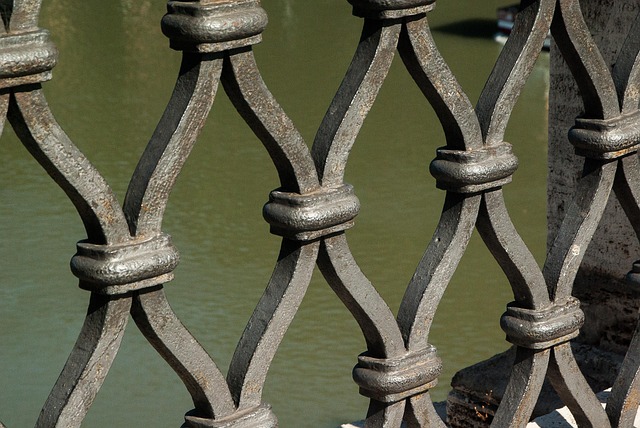
Classic & Traditional: These designs often feature elaborate scrollwork, decorative finials at the top of pickets, and sturdy bottom rails. They evoke a sense of old-world grandeur and are perfect for historic homes or properties with a classic architectural style. Many designs incorporate fleur-de-lis, spear tops, or intricate basket weaves.
Victorian & French Country: Characterized by ornate curves, flowing lines, and often a more delicate appearance than purely strong security fences, these styles add romantic charm. They might feature sweeping arches or complex, repeating patterns.
Modern & Minimalist: For a cleaner look, some wrought iron fence designs opt for simpler, geometric patterns. Straight vertical pickets with minimal ornamentation, clean lines, and perhaps a single decorative element at the top can offer a contemporary edge while retaining the material’s inherent strength.
Specialty Designs: Options like “puppy picket” fences have closer spacing between the bottom pickets, ideal for properties with small pets. “Rackable” panels are designed to follow the slope of a property, allowing for installation on uneven terrain without needing to step the fence. Pool fences adhere to specific height and spacing regulations for safety.
When selecting a style, consider the overall aesthetic of your property, local building codes, and the primary purpose of the fence – whether it’s for security, privacy, pet containment, or purely decorative enhancement.
Durability and Longevity: Built to Last
One of the most compelling reasons to choose a wrought iron fence is its inherent durability. True wrought iron is exceptionally strong and resistant to damage. Modern steel alternatives, when properly fabricated and treated, offer comparable resilience.
A key factor in longevity is the protective coating. High-quality wrought iron fences, whether traditional or modern steel interpretations, are typically hot-dip galvanized and then powder-coated. Hot-dip galvanization involves immersing the metal in molten zinc, creating a strong barrier against rust and corrosion. Powder coating provides an additional layer of protection and a smooth, uniform finish.
According to the Steel Framing Industry Association (SFIA) (2025), steel construction materials are chosen for their inherent strength-to-weight ratio and resistance to environmental degradation when properly protected. A well-maintained wrought iron fence can last for generations, often exceeding 50 years. This longevity is a significant advantage over materials like vinyl or wood, which may require more frequent replacement or extensive repairs.
However, no metal is entirely impervious to the elements. The most common threat to wrought iron fences is rust, which can occur if the protective coating is scratched or damaged, exposing the underlying metal. This is why regular inspection and maintenance are crucial. A minor scratch can be a gateway to significant corrosion if left untreated.
Consider your local climate. Coastal areas with high salt content in the air, or regions with heavy rainfall and humidity, can accelerate the potential for rust compared to arid climates. The quality of the initial fabrication and coating process significantly impacts how well the fence will withstand these conditions.

Wrought Iron Fence Cost in 2026: Investment vs. Expense
The cost of a wrought iron fence can vary considerably, making it essential to understand the factors influencing the price. As of May 2026, you can expect to pay anywhere from $30 to over $100 per linear foot for materials and installation, with custom designs and higher-end finishes pushing the upper range significantly.
Material Type: Genuine, hand-forged wrought iron is exceptionally rare and expensive today. Most “wrought iron” fences are fabricated from steel. The gauge and thickness of the steel used will impact cost; thicker, heavier gauge steel is more expensive but also more durable.
Design Complexity: Simple, utilitarian designs with straight pickets will be less expensive than those featuring intricate scrollwork, custom finials, elaborate curves, or welded accents. The more detailed the design, the more labor and material are required.
Height and Length: Naturally, the total linear footage and desired height of the fence will be primary cost drivers. Taller fences require more material and often more strong post systems.
Gate Integration: Gates, especially custom-designed ones that match the fence style, can significantly increase the overall cost. Single gates, double gates, and automated gate systems all have different price points.
Installation: Professional installation is highly recommended for wrought iron fences due to their weight and the need for secure anchoring. Installation costs can add 50% or more to the material cost. Factors like difficult terrain, the need for extensive post-hole digging, or concrete work will affect labor charges.
Brand and Manufacturer: While there isn’t a single dominant brand for true “wrought iron” in the way there’s for vinyl or chain-link, reputable manufacturers and installers known for quality fabrication and finish will command higher prices. Fence Depot mentions offering 10% off aluminum fence orders over $2500, illustrating how pricing structures and promotions can influence overall project cost, though their focus is not exclusively wrought iron.
Average Costs: For a standard ornamental steel fence (mimicking wrought iron) of moderate complexity and height (e.g., 4-6 feet tall), expect costs to be in the range of $50-$100 per linear foot. A very basic, low-height fence might be closer to $30-$50 per foot, while highly customized, tall, or architecturally significant installations could easily exceed $100 per foot. Iron Fences Shop lists prices starting around $336.88 for specific components and suggests total project costs can reach $5,000 or more for substantial installations.
When budgeting, always obtain detailed quotes from multiple reputable installers. Ensure quotes specify the material gauge, coating process, post type, and warranty information.

Wrought Iron Fence Installation: Securing Your Perimeter
Proper installation is paramount for the security, stability, and longevity of a wrought iron fence. Due to its weight and the need for precise alignment, professional installation is strongly advised for most homeowners. The process typically involves several key stages:
1. Site Survey and Planning: This initial phase involves measuring the perimeter, marking the fence line, and identifying any existing utilities or obstacles. A professional will also confirm property lines and discuss design choices, height, and gate placement.
2. Post Setting: This is perhaps the most critical step. Posts for wrought iron fences are usually made of steel and must be set deep enough to support the weight of the fence panels and withstand wind loads. For a typical 6-foot fence, posts are often set 2-3 feet into the ground and anchored in concrete. The spacing of these posts is crucial, usually ranging from 6 to 8 feet apart, depending on the fence panel design and manufacturer recommendations.
3. Panel Attachment: Once the posts are securely set and the concrete has cured (which can take 24-72 hours), the fence panels are attached to the posts. This is typically done using brackets or through pre-drilled holes and bolts, ensuring a strong, secure connection. For rackable panels, installers will ensure they follow the natural contour of the land.
4. Gate Installation: Gates are installed with heavy-duty hinges and latches. For larger gates, specialized hardware or even concrete footings for the gate posts might be necessary. If an automated gate system is desired, the necessary wiring and hardware are integrated during this stage.
5. Finishing Touches: After all panels and gates are installed, installers will check for proper alignment, level, and smooth operation of gates. Any minor adjustments are made, and the area around the posts is backfilled and cleaned up.
DIY Considerations: While DIY installation is possible for those with significant construction experience, it’s often challenging. Wrought iron panels are heavy, and ensuring posts are perfectly plumb and securely anchored requires specific tools and techniques. Mistakes can lead to a fence that sags, leans, or is easily damaged, negating the benefits of the material. It’s also important to check local building codes for specific requirements regarding fence height, post depth, and setback regulations.
For instance, installing a pool fence has strict regulations to prevent accidental access, requiring specific picket spacing and gate self-closing mechanisms. A poorly installed fence can compromise safety and fail to meet code, leading to potential fines or the need for costly rework.
When hiring a professional, look for installers with experience specifically with ornamental metal fencing. Ask for references, check reviews, and ensure they offer a warranty on their workmanship. A solid installation forms the foundation for decades of reliable service.
A common mistake is underestimating the weight of the panels or the importance of concrete footing depth. This can lead to premature sagging or posts loosening over time, especially in areas with frost heave.
Maintaining Your Wrought Iron Fence: Preserving its Beauty
While wrought iron fences are durable, they are not maintenance-free. Regular care is essential to prevent rust and preserve their aesthetic appeal for years to come. The maintenance needs will depend on the climate and the quality of the protective coating.
Regular Cleaning: At least annually, wash the fence with mild soap and water using a soft brush or cloth. This removes dirt, grime, salt residue, and other contaminants that can degrade the finish over time. Rinse thoroughly and allow to dry completely.
Inspect for Damage: Periodically (ideally twice a year), inspect the entire fence for any signs of damage. Look for scratches, chips, or areas where the protective coating might be compromised. Pay close attention to welds, joints, and the base of the posts where moisture can accumulate.
Rust Treatment: If you spot any rust spots, address them immediately. Clean the rusted area with a wire brush to remove loose rust. Then, apply a rust converter or primer specifically designed for metal. Once dry, touch up the area with a paint that matches the fence’s color and finish. Many manufacturers offer touch-up paint kits.
Lubrication: Hinges and latches on gates should be lubricated periodically (e.g., every six months) with a silicone-based or white lithium grease to ensure smooth operation and prevent squeaking.
Avoid Harsh Chemicals: don’t use abrasive cleaners or harsh chemicals, as these can strip the protective coating or damage the finish. Stick to mild soap and water for routine cleaning.
Professional Refinishing: Over many years, even with diligent care, the protective coating may eventually wear down. If the fence shows significant signs of wear or rust, consider a professional sandblasting and recoating service. This can effectively restore the fence to like-new condition, though it’s a more significant investment.
A common mistake is neglecting small rust spots, allowing them to spread and compromise the structural integrity of the fence. Prompt action is key. For example, if you live near the coast, rinsing your fence more frequently to remove salt spray is a good preventative measure.
The goal of maintenance is to keep the protective barrier intact, preventing moisture from reaching the bare metal. By investing a little time each year, you can ensure your wrought iron fence remains a beautiful and secure feature of your property for decades.
For those considering painting a wrought iron fence, ensuring the surface is thoroughly cleaned and rust-free before applying a high-quality metal primer and appropriate exterior metal paint is essential for a lasting finish.
Wrought Iron Fence vs. Other Materials
When considering fencing options, comparing wrought iron to other popular materials can highlight its unique advantages and disadvantages.
| Feature | Wrought Iron (Steel Replica) | Aluminum | Vinyl | Wood |
|---|---|---|---|---|
| Aesthetic Appeal | Classic, ornate, heavy, timeless | Clean lines, modern, lighter | Variety of styles, bright, can look plastic | Natural, warm, traditional |
| Durability | Very High (susceptible to rust if not coated) | High (never rusts) | Moderate (can crack, fade) | Low to Moderate (prone to rot, insects, warping) |
| Maintenance | High (cleaning, rust treatment, recoating) | Low (occasional cleaning) | Low (occasional cleaning) | High (staining, sealing, painting, repairs) |
| Cost (Material + Install) | $$$ – $$$$ (high) | $$ – $$$ (mid-to-high) | $ – $$ (low-to-mid) | $ – $$ (low-to-mid) |
| Security | Excellent (heavy, strong) | Good (lighter, can be a deterrent) | Fair (less strong, can be breached) | Fair (variable, can be cut/broken) |
Aluminum fences are a popular alternative, offering a similar ornamental look without the maintenance burden of rust. They are lighter and generally less expensive than steel replicas of wrought iron. However, they are not as structurally strong and can be more susceptible to bending or damage. As noted by Fence Depot, aluminum fences can be a cost-effective option, especially with promotions like 10% off orders over $2500.
Vinyl fences are a budget-friendly choice known for their low maintenance and variety of styles. However, they lack the premium feel and structural integrity of metal fences. They can become brittle in extreme temperatures, fade over time, and are not typically considered a high-security option.
Wood fences offer a natural, rustic charm but require the most maintenance. They are susceptible to rot, insect infestation, and weathering, necessitating regular sealing or staining to prolong their life. They also offer less inherent security compared to a heavy metal fence.
Ultimately, the best choice depends on your priorities: budget, desired aesthetic, security needs, and willingness to perform maintenance. For those prioritizing timeless beauty and strong security with a willingness to maintain, wrought iron (or its steel counterpart) remains a top contender.
Common Mistakes When Choosing a Wrought Iron Fence
To ensure you get the most value and satisfaction from your wrought iron fence, it’s wise to be aware of common pitfalls.
1. Confusing Steel Replicas with True Wrought Iron: While most modern “wrought iron” is steel, understanding this distinction helps manage expectations regarding cost, fabrication, and maintenance. True wrought iron is rare and exceptionally expensive. Most reputable suppliers will clearly state if it’s steel designed to look like wrought iron.
2. Underestimating Installation Costs: The price of the fence panels themselves is only part of the equation. Professional installation can add significantly to the total project cost. Always get detailed quotes that include labor, post setting, concrete, and any necessary site preparation.
3. Neglecting Maintenance: Assuming a metal fence requires no upkeep is a mistake. Rust can form if coatings are damaged, leading to premature failure. Regular cleaning and prompt rust treatment are essential. Failing to do so can turn a long-term investment into a costly problem within a few years.
4. Ignoring Local Codes and HOA Restrictions: Many municipalities and homeowner associations have specific regulations regarding fence height, style, material, and placement. Failing to check these can result in having to modify or even remove a newly installed fence.
5. Choosing the Wrong Finish Quality: The protective coating is crucial. Opting for the cheapest available option may mean a less durable finish that flakes or rusts quickly. Look for hot-dip galvanization followed by a quality powder coating for the best protection against the elements.
6. Inadequate Gate Hardware: Gates bear significant stress. Using lightweight or inadequate hinges and latches can lead to sagging gates and operational problems. Ensure the hardware is strong and appropriately sized for the gate’s weight and dimensions.
A practical insight for homeowners: when seeking quotes, ask for detailed specifications on the steel gauge and the multi-stage coating process (e.g., galvanization type, primer, topcoat). This level of detail can reveal differences in quality that aren’t apparent from visual inspection alone. For example, a fence specified with a 12-gauge steel frame and a multi-layer powder coat offers superior longevity over a 16-gauge frame with a basic paint finish.
Expert Tips for Enhancing Your Wrought Iron Fence
To maximize the impact and functionality of your wrought iron fence, consider these expert recommendations:
1. Layer Security: While a wrought iron fence provides a strong physical barrier, consider adding other security features. Motion-activated lighting, security cameras, or even an integrated smart gate system can offer enhanced protection and peace of mind.
2. Integrate Lighting: Thoughtful lighting can transform a fence from a mere boundary into a design feature. Low-voltage landscape lighting installed at the base of posts or along the top rail can create a dramatic and welcoming ambiance at night, while also improving visibility and security.
3. Choose the Right Height: The height of your fence should serve its purpose. For basic property demarcation and aesthetic appeal, 4-foot might suffice. For enhanced security and privacy, 6-foot or even 8-foot fences are common. Pool fences have specific height requirements mandated by local safety codes.
4. Consider Custom Finials and Details: Personalize your fence with unique finials or decorative elements that reflect your personality or family crest. This adds a bespoke touch that elevates the fence from standard to statement piece.
5. Partner with Reputable Installers: As mentioned, professional installation is key. Seek out companies with proven experience in ornamental metal fencing. They will understand the nuances of handling heavy materials and ensuring a stable, long-lasting installation. A reputable installer will often provide a warranty on their work.
6. Think About Gate Automation: For convenience and enhanced security, consider automating your gates. Systems range from simple remote openers to integrated smart home solutions that allow access control via smartphone. This is particularly useful for driveways or high-traffic entrances.
7. Plan for Drainage: Ensure that fence posts are installed in a way that allows water to drain away from the base, preventing moisture buildup that can lead to rust. Proper concrete sloping around posts is vital.
A niche consideration is the environmental impact. While steel is recyclable, its production is energy-intensive. If sustainability is a concern, research manufacturers who use recycled steel content or employ eco-friendlier finishing processes.
Frequently Asked Questions About Wrought Iron Fences
What is the difference between wrought iron and cast iron fences?
Wrought iron is malleable and worked by hand, allowing for bending and shaping into intricate designs. Cast iron is brittle and poured into molds, making it suitable for decorative elements but less for structural fencing that needs to withstand impact.
Are wrought iron fences expensive?
Yes, wrought iron fences, especially those made from quality steel designed to mimic traditional iron, are generally among the more expensive fencing options due to material costs and labor-intensive installation.
How long does a wrought iron fence typically last?
With proper maintenance and a quality protective coating, a wrought iron fence can last 50 years or more. Regular inspections and prompt rust treatment are key to achieving this longevity.
Can you get privacy with a wrought iron fence?
Standard wrought iron fences offer limited privacy due to their open design. Privacy can be enhanced by choosing denser picket spacing, adding decorative panels, or incorporating screening materials like ivy or privacy slats, though this alters the classic open look.
What is the best way to clean a wrought iron fence?
The best method is to use mild soap and water with a soft brush or cloth to remove dirt and debris. Rinse thoroughly and allow to dry completely. Avoid abrasive cleaners that can damage the protective coating.
How often should a wrought iron fence be inspected?
It’s recommended to inspect your wrought iron fence at least twice a year, and more frequently in harsh climates or if you notice any potential damage, to catch rust or structural issues early.
Are wrought iron fences still made by hand?
True hand-forged wrought iron fences are very rare and costly today. Most “wrought iron” fences are now fabricated from steel by welding components together, offering similar aesthetics and durability at a more accessible price point.
Conclusion: A Timeless Investment in Your Property
The wrought iron fence, whether the genuine article or a modern steel interpretation, remains a superior choice for property owners in 2026 who value enduring strength, classic beauty, and enhanced security. While the initial investment may be higher than some alternatives, its longevity, timeless appeal, and the security it provides make it a worthwhile addition to any home or business. By understanding the design options, cost factors, installation requirements, and essential maintenance, you can ensure your wrought iron fence will stand as a testament to quality and craftsmanship for generations.
Last reviewed: May 2026. Information current as of publication; pricing and product details may change.
Editorial Note: This article was researched and written by the CN Law Blog editorial team. We fact-check our content and update it regularly. For questions or corrections, contact us.